Top 10 Tips for Choosing the Right Starter Sewing Machine
Top 10 Tips for Choosing the Right Starter Sewing Machine
Blog Article
Understanding the fundamentals of sewing is crucial for anyone interested in crafting garments or home decor. Basic sewing lessons empower individuals with the skills and confidence to bring their creative visions to life. Whether you're a complete novice or someone looking to refine your sewing techniques, these lessons provide a solid foundation for your sewing journey. For those eager to start, about what essential elements you should know before diving into this rewarding hobby. This article will explore the nature of basic sewing lessons, what they cover, how to find the right classes, and the costs involved. By arming yourself with the right information, you can set yourself up for success as you embark on your sewing adventures learn more.Steps to Prepare for Your Sewing Lessons
basic sewing lessons
Helpful Tips for Successful Learning
Keep an open mind and be patient with yourself. Sewing takes practice, and mistakes are part of the learning process. Celebrate small victories!
- Start with simple projects before tackling more complex ones.
- Invest in a good quality sewing machine that suits your needs.
- Take notes during lessons for easy reference later.
- Build relationships with fellow students for support and encouragement.
- Experiment with different fabrics and techniques to expand your skills.
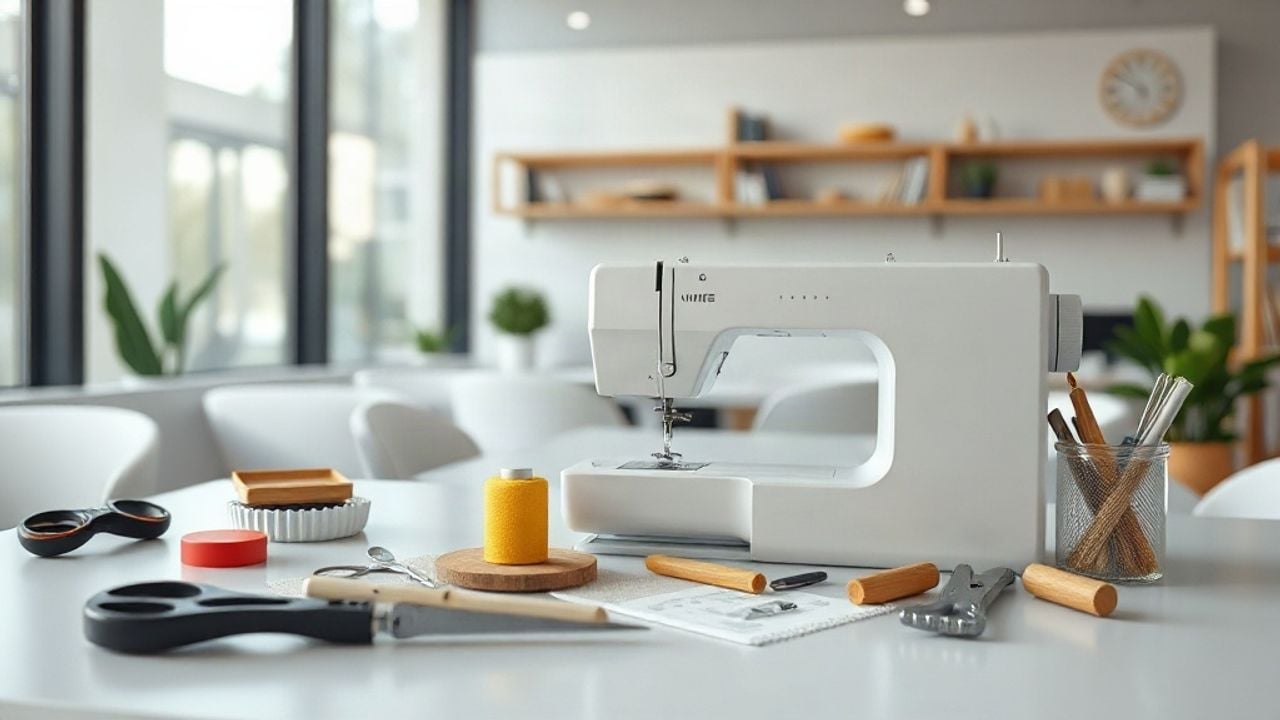 sewing basicsbasic sewing lessons
Exploring the Basics of Sewing Lessons
Fundamental sewing lessons are designed to equip learners with the basic skills required for effective sewing. Such classes serve to familiarize participants with various tools and materials, while also instructing them on how to safely and efficiently utilize a sewing machine. Learners will delve into different types of fabrics, essential stitching techniques, and key sewing terminology. Moreover, these lessons commonly incorporate simple projects, permitting students to actively engage with and apply their learning. A thoughtfully structured curriculum aims to incrementally boost participants' confidence, transitioning them from basic skills to more advanced sewing challenges.
Development of Skills and Focus on Projects
As they continue their sewing education, students can anticipate increased complexities in the projects they undertake. This method fosters not only the enhancement of their skills but also their creative thinking. Initially, students may work on straightforward items such as pillows or tote bags, gradually progressing to more intricate sewing tasks, including garment making and sophisticated home decor. Hands-on practice is paramount; hence, quality sewing classes prioritize practical application. Instructors are available to assist with the various sewing problems beginners face, providing invaluable support as they learn. In addition, students are motivated to collaborate and help one another, nurturing a supportive community atmosphere.
Choosing the Right Sewing Course for You
Finding the right sewing lessons can significantly enhance your learning experience. Begin by identifying your goals; are you seeking to make clothing, quilts, or craft projects? This understanding will help narrow down classes that align with your interests. You can search for options like “sewing classes near me” or “sewing lessons for beginners near me” to discover local offerings. Many establishments, such as sewing studios and community centers, provide introductory classes. Additionally, consider online resources. Virtual sewing courses have become popular, offering flexibility and accessibility. Platforms like Skillshare and Udemy offer courses that cover a variety of sewing techniques.
It’s also beneficial to read reviews and gather references. Checking out “sewing machine reviews” or testimonials about specific classes can inform your choice. Many local sewing schools and studios have social media pages where you can see the outcomes of previous classes, further guiding your decision.
The Cost of Sewing Lessons
It's essential to evaluate the cost implications of sewing classes when making your decision. The fees can fluctuate greatly based on the instructor's background, the location of the classes, and how long they run. In general, basic sewing lessons can be priced anywhere from $30 to $100 per session, with discounts typically applied to multi-session workshops. If you want to explore options in your vicinity, searching for 'sewing classes near me for adults' or 'children's sewing classes near me' will reveal a variety of pricing structures catering to different ages and skill levels.
Additionally, it's important to account for the expense of materials, as some classes may include necessary fabrics and tools, while others may require students to bring their own supplies. Understanding the complete financial requirement enables you to budget more effectively. For those keeping an eye on expenses, many community centers and local crafting shops provide introductory courses at reduced rates or even complimentary sessions to encourage interest in sewing.
For more information, visit the in-depth article on sewing to enhance your knowledge of this craftsmanship.
Frequently asked questions
What are basic sewing lessons?
Basic sewing lessons teach essential sewing skills, focusing on operating sewing machines, understanding fabrics, and completing simple sewing projects.
How do I choose a basic sewing lessons provider?
Look for classes that align with your goals and interests. Check reviews, instructor qualifications, and course structures to find a suitable provider.
How much do basic sewing lessons cost?
Costs for basic sewing lessons can range from $30 to $100 per session, depending on location and the course provided. Be sure to consider potential material costs.
Delving into basic sewing lessons can be a rewarding journey to tap into your creativity while mastering essential techniques. By checking out various educational avenues and dedicating time to refine your skills, anyone can enhance their sewing proficiency. As you build your self-assurance, you'll find it easier to take on more complex projects and truly enjoy the art of sewing.
Whether your motivation is crafting for enjoyment or producing sellable items, establishing a firm foundation through reliable lessons is crucial for a successful sewing adventure.
When assessing basic sewing lessons, prioritize concrete results, clear communication, and whether the teaching style aligns with your specific goals and deadlines. Be wary of ambiguous claims that lack a comprehensive assessment strategy.
Inquire about how your growth is measured, what will be included versus what is optional, and how the instructor adapts their methodology when progress appears to stall. Having a written agreement prior to payment safeguards the interests of both parties.